
OBRADS™ is a Clinical decision Support (CDS) management tool used at the bedside to guide obstetric ultrasound diagnosis and management recommendations. Our goal is to use basic third trimester obstetric ultrasound in the context of other physical exam, clinical history, and laboratory findings to identify high risk pregnancies early enough to get appropriate care, resulting in a safe delivery for the mother and newborn. Based on our on-the-ground years of experience and research, we know that obstetric ultrasound can identify high-risk pregnancies in time for safe delivery. Imaging the World developed and has been using the proprietary OBRADS™ algorithm at the bedside in rural sub-Saharan Africa (SSA) for almost 15 years. Ultrasound risk stratification in the third trimester can be valuable for identifying high-risk pregnancies and guiding appropriate management, even in low-resource areas.
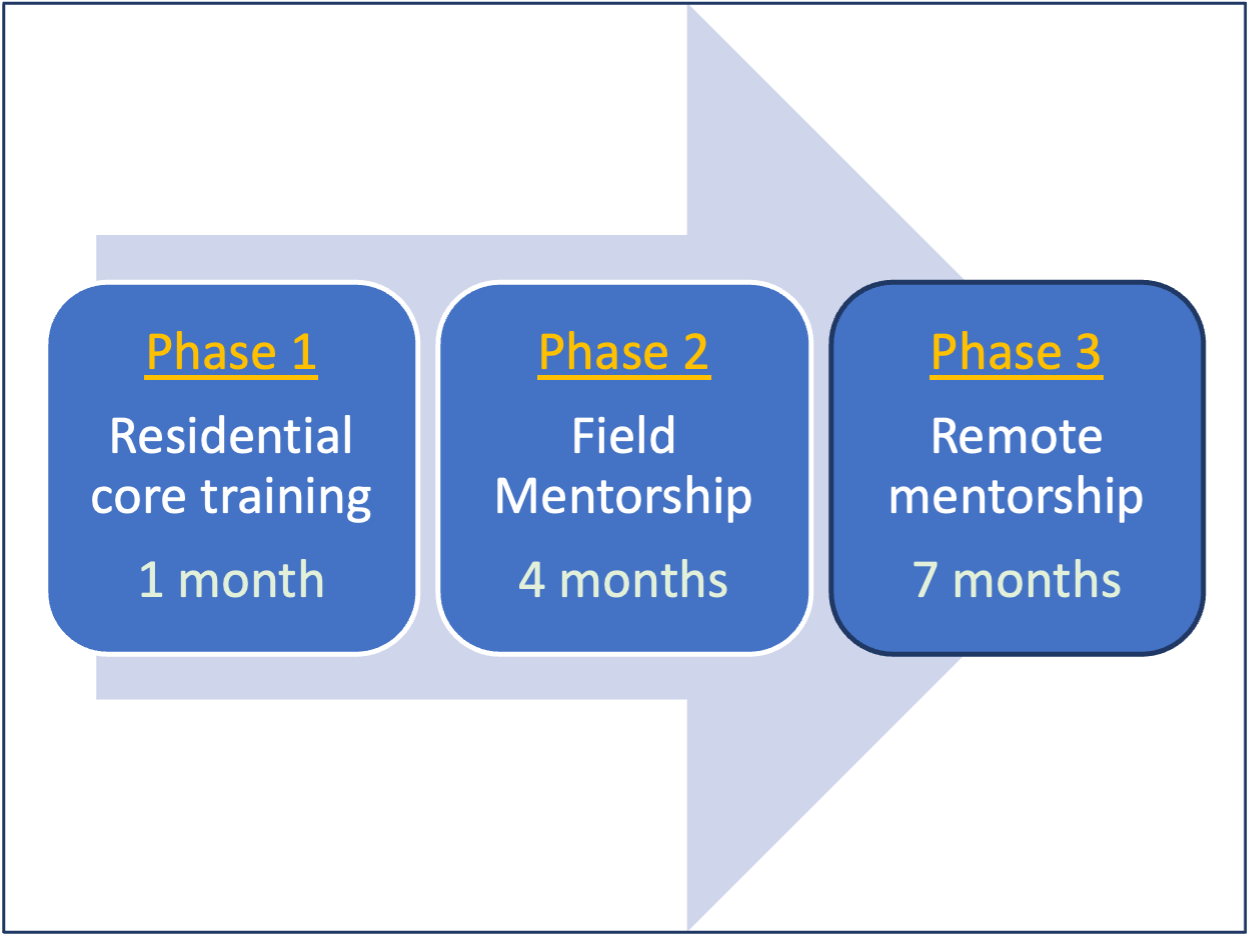
OBRADS™ Training: Healthcare workers are trained in OBRADS™ during the Phase 1 of basic obstetric ultrasound training as part of the Imaging the World education program. These trainees practice using OBRADS™ during the Phase 2 field mentorship and then use it in clinical practice during Phase 3 and beyond.
Here are some factors that can be considered for OBRADS ™risk stratification:
Fetal Biometry and Growth Assessment: Ultrasound can be used to assess fetal growth parameters such as fetal biometry (head circumference, abdominal circumference, femur length), estimated fetal weight, and amniotic fluid volume. Deviations from expected growth patterns may indicate fetal growth restriction or other conditions, which can be associated with increased risks. More importantly, fetal biometry is important in dating a pregnancy. The most accurate pregnancy dating is in the first trimester, but many women present for their first pregnancy care in the third trimester. Fetal biometry helps us predict what the dues date will be. For women, especially in rural areas, the expected date (within 2 weeks) helps to plan for travel and logistics related to delivery.
Placental Structure and Function: Ultrasound can evaluate the placenta for signs of dysfunction, or abnormalities in placental structure. Impaired placental function can lead to adverse outcomes, including fetal distress or intrauterine growth restriction. Structural issues related to Placenta Accreta Spectrum (PAS), where the placenta abnormally invades the uterine wall, can result in post-partum hemorrhage, which is the leading cause of post-partum maternal death in SSA.
Amniotic Fluid Assessment: Ultrasound can assess the quantity and quality of amniotic fluid, which is crucial for fetal well-being. Abnormalities, such as oligohydramnios (low amniotic fluid) or polyhydramnios (excessive amniotic fluid), can indicate underlying fetal or placental issues.
Fetal Well-being: Ultrasound can assess fetal well-being by evaluating fetal movements, fetal heart rate, and signs of fetal distress.
Maternal Conditions: Ultrasound can help identify maternal conditions that may increase the risk of complications during the third trimester, such as placenta previa, placental abruption, or uterine abnormalities. Detection of these conditions can prompt appropriate management and referral to higher-level care if needed.
Breech Presentation: Ultrasound can determine the fetal presentation, including breech presentation where the baby's buttocks or feet are positioned to be delivered first. Breech presentation may require additional monitoring and consideration for interventions such as external cephalic version or planned cesarean section.
The OBRADS™ Clinical Decision Support (CDS) system can significantly benefit patient management in low-resource areas by providing guidance and support to healthcare providers. When it comes to obstetric ultrasound, CDS can play a crucial role in offering recommendations for the next steps in patient care. Here's how CDS can contribute:
Diagnosis and treatment: OBRADS™ helps the health provider at the bedside to analyze ultrasound images for features that suggest normal and abnormal findings. By doing so, they can make more accurate diagnoses and suggest appropriate treatment options based on established guidelines. This is particularly valuable in areas with limited access to specialized expertise.
Risk stratification: OBRADS™ incorporates patient-specific data, such as medical history, demographics, and ultrasound findings, to stratify patients based on their risk profiles. By identifying high-risk cases in the third trimester, the health provider can recommend the next steps in care, such as referral to higher-level facilities or specialized obstetric care units. If the scan and other inputs are normal, the delivery may be done at the local health facility, and the provider can better plan for that delivery. This tool helps ensure that resources are directed to those who need them most.
Antenatal care planning: OBRADS™ can provide recommendations for antenatal care based on ultrasound findings. For example, if an ultrasound reveals a potential complication or abnormality, the health provider can suggest additional tests, interventions, or monitoring protocols to ensure appropriate management of the patient throughout the pregnancy. These recommendations can be particularly valuable in areas where access to regular antenatal visits is limited.
Telemedicine consultations: In low-resource settings, where access to obstetric specialists may be limited, OBRADS™ CDS can facilitate telemedicine consultations. Healthcare providers can capture ultrasound images and transmit them to remote specialists for review. The OBRADS™ system can assist by helping the provider analyze the ultrasound scan findings and provide relevant findings to the specialist, enabling more efficient and accurate remote consultations. Specialists can then offer specific recommendations for the next steps in care based on the ultrasound findings.
Patient education and counseling: OBRADS™ can be used for communicating results. For example, local pictorial posters, can serve as educational tools for patients and their families. By explaining the ultrasound findings in a clear and accessible manner, OBRADS™ explained by the local health provider can help patients understand their condition, potential risks, and available treatment options. This empowers patients to make informed decisions and actively participate in their own care.
Follow-up and monitoring: OBRADS™ can support healthcare providers in scheduling appropriate follow-up appointments and monitoring intervals based on the ultrasound findings. By reminding providers and patients of necessary follow-up actions, OBRADS CDS helps ensure continuity of care and timely interventions when required.
It's important to note that risk stratification based on third trimester obstetric ultrasound findings should be complemented by a comprehensive assessment that includes clinical history, physical examination, laboratory findings and other available resources. Additionally, in low-resource areas, where access to specialized care may be limited, the ultrasound findings should be interpreted in the context of available resources for appropriate management and referrals.
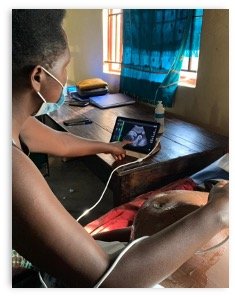
OBRADS™ has been validated via IRB- and UNCST-approved research in rural Uganda (manuscript in progress).